
A strong snow removal contract turns winter expectations into a clear operating plan. With late October already here, commercial and multi-residential property managers have a narrow window to confirm how their provider will handle the first storm, and the changing conditions that follow.
A seasonal agreement should do more than list “plowing and salting.” It should help both teams understand what areas receive service, what prompts a response, how updates flow, and how work gets recorded. Use the checklist below to review the details with your provider before winter operations begin.
1. Map the Scope and Set Priorities
A site plan makes the work visible. Walk the property with your provider and check that the contract’s scope matches how people use the site in winter. Landscape Ontario notes that a map and written specifications help clarify the work included in a snow contract.

Confirm that the contract or its attachments identify:
- Vehicle areas: drive lanes, parking stalls, loading zones, fire routes and waste collection areas.
- Pedestrian areas: sidewalks, building entrances, stairs, ramps, curb cuts and connections between buildings.
- Priority locations: accessible parking, emergency exits, delivery routes and busy entrances.
- Snow placement: approved piling areas, visibility concerns, drainage paths and conditions that may require relocation or hauling.
- Boundaries: included areas, excluded areas, shared access points and locations where another party handles winter maintenance.
Ask the provider to distinguish between initial clearing, repeated clearing during active snowfall, ice treatment, post-storm cleanup and snow hauling. If the contract uses broad terms such as “as needed,” ask what that means for this specific property.
2. Clarify Triggers, Timing and Communication
Clear service triggers reduce uncertainty when weather changes quickly. Your agreement should explain how the provider decides when to dispatch, what happens during ongoing accumulation, and who can request or approve additional work.
Confirm the details that matter to your site:
- What conditions trigger snow clearing or ice treatment?
- Does the plan address freezing rain, frost and refreeze, not just snowfall?
- Which areas receive attention first, and how does the sequence change during a prolonged event?
- How will the provider handle post-storm cleanup or a return visit if conditions change?
- Who can authorize a service change, and how will you record that decision?
Set a practical communication plan for before, during and after an event. Identify primary and backup contacts for your property team and your contractor. Agree how the provider will share anticipated dispatch plans, delays, site issues and service completion updates.
Paramount Landscaping provides snow removal and ice management with 24/7 snowline coverage. Confirm how that line fits into your property’s dispatch and escalation process, including who should call when a priority area needs attention.
3. Specify Sidewalks, Entrances and Accessible Routes
Parking-lot plowing alone does not describe a complete winter plan. Pedestrian routes connect people to building entrances, transit access, parking and services. Confirm that each part of that journey appears in the scope.
Ask your provider to review:
- Continuous sidewalk routes and clear connections to entrances.
- Steps, ramps, curb cuts and other transitions.
- Accessible stalls and the routes connecting them to buildings.
- Areas where downspouts, drainage or snow piles could send meltwater across walking surfaces.
- Hand-clearing around doors, fixtures and obstacles that equipment cannot reach.
Discuss what “complete” means for your property. For example, does a cleared entrance still connect to a cleared sidewalk and accessible parking route? A route map and priority list help your provider and on-site staff work from the same plan.

4. Review Salt and Material Practices
Responsible ice management balances traction, conditions and material use. Ask which de-icing or traction materials the provider uses, where they apply them, and how they adjust their approach for changing temperatures and surfaces.
Useful questions include:
- What materials may crews apply on your asphalt, concrete, pavers and pedestrian routes?
- How does the team decide whether to use a treatment, mechanical removal or another approach?
- How does the provider document material use?
- How do crews protect landscaping, drainage areas and other salt-sensitive locations?
- Who handles a material spill or an application concern?
Smart About Salt emphasizes training, planning and management practices that support responsible winter salt use. Paramount’s Smart About Salt accreditation reflects that focus. Ask your provider how its material practices fit your property’s priorities and what information it can share about applications. The Smart About Salt certification overview explains the program’s approach.
5. Make Documentation and Accountability Practical
A service record should help you understand what happened, not just confirm that a truck visited. Agree on what the provider records after each service visit and how your team receives those records.
Consider confirming that reports capture:
- Date and time of arrival and completion.
- Weather or site conditions observed.
- Areas serviced and work performed.
- Ice-control materials used, where relevant.
- Unusual conditions, access issues, delays or damage.
- Photos or location information where useful.
- Any follow-up work or unresolved concern.
Also agree on the reporting channel, expected timing and the contact for questions. Paramount uses GPS updates to support service visibility and transparency. Ask how those updates will work for your account and what your property team can expect to see during a winter event.

6. Plan for Delays and Difficult Events
The plan matters most when a storm disrupts the usual sequence. Before the first snowfall, discuss what happens if equipment breaks down, access becomes blocked, staffing changes or weather conditions stretch the event.
Clarify how the provider will communicate a delay, which areas remain the highest priority, and how the teams will coordinate any supplemental service or scope change. Confirm who can approve extra work and how the provider will document that approval. If snow storage fills up, discuss when the provider will raise the issue and what options the property can consider.
A written contingency discussion also helps your on-site team respond consistently. Share the contact list and agreed priorities with security, building operations and anyone who may receive a winter service call.
Before the First Storm: A Short Review
Use this quick checklist with your snow and ice management provider:
- Review the site map, service boundaries and priority areas.
- Confirm triggers, timing, escalation contacts and update expectations.
- Trace every sidewalk and accessible route to its destination.
- Discuss material choices, application records and site sensitivities.
- Agree on service documentation and how your team will access it.
- Walk through delays, equipment issues, snow storage and extra-work approvals.
A meticulous preseason review gives your team a shared reference when conditions turn quickly. Paramount Landscaping provides year-round property maintenance and snow removal and ice management services for commercial and multi-residential properties. For further background, see the Landscape Ontario overview of snow contracts and the SIMA preseason checklist, which highlights clear service levels, site priorities and communication.
At the end of the review, both teams should be able to explain what happens, where it happens, who communicates, and how the work gets verified. That clarity helps property managers prepare for winter with confidence.
5 Fall Pruning Mistakes That Cost Ontario Homeowners Next Spring (An Arborist’s Guide)

Fall pruning can protect your trees, preserve your landscape’s structure, and prepare your property for a stronger spring. The wrong cut, however, can remove next year’s flowers, weaken a mature tree, or leave fresh wounds vulnerable during Ontario’s freeze-thaw cycles. Have you ever trimmed a shrub in October because it looked overgrown, only to discover […]
Retaining Wall Installation 101: Solving Ontario Clay Soil and Drainage for Good

A retaining wall does far more than create a beautiful garden edge. It holds soil in place, manages grade changes, controls runoff, and protects the features that make your property valuable, including foundations, driveways, patios, walkways, and planting beds. In Ontario, retaining wall installation demands more than attractive blocks and a clean finish. Clay soil […]
Is Your Property Draining? 6 Warning Signs to Fix Before Winter Locks Them In
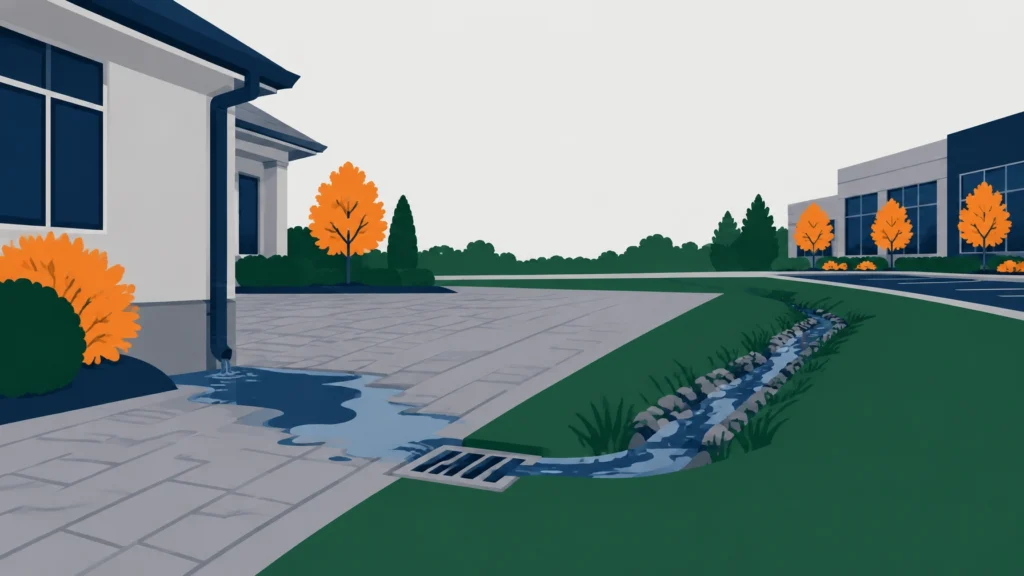
Ontario properties face a serious drainage test every fall. Heavy rain saturates the ground, clay soil holds moisture, and freeze-thaw cycles turn small grading problems into major repairs. The right time to identify drainage problems is before winter locks them into the ground. Have you noticed puddles that linger after rain? Does one corner of […]
Mulch Now, Save Later: The Fall Mulching Strategy Ontario Properties Need Before the Frost

Fall mulch does more than improve curb appeal. Applied at the right time and depth, it protects roots, stabilizes soil temperatures, retains moisture, suppresses weeds, and strengthens your landscape before Ontario’s freeze–thaw cycles begin. For premium residential, multi-residential, commercial, and industrial properties, fall mulching represents a practical soil-health investment. It supports healthier plants next spring […]
Fall Cleanup Isn’t Just Raking: Why a Professional Cleanup Protects Your Property All Winter

A proper fall cleanup does more than make your property look tidy. It protects your lawn, gardens, drainage systems, and building from the problems that develop after autumn ends. Wet leaves, compacted debris, clogged drains, overgrown beds, and unfinished lawn care create avoidable risks across Ontario properties. A quick rake may improve appearances for a […]
5 Steps to a Smarter Landscape in Ontario: Smart Irrigation That Saves Water and Money

A thriving Ontario landscape needs precision: not guesswork. Smart irrigation delivers the right amount of water to the right zone at the right time, helping your lawn and gardens stay lush while reducing waste and controlling outdoor water costs. Ontario summers now bring sharper swings between heavy rainfall, prolonged dry periods, and intense heat. A […]
How to Winterize Your Ontario Landscape in 7 Steps (Before the First Frost)
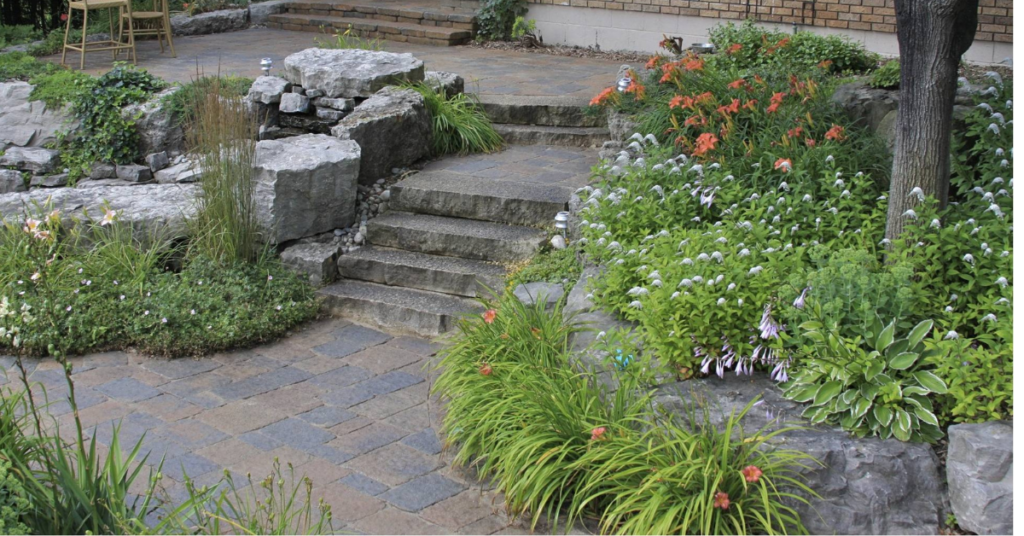
Your landscape needs a deliberate fall strategy : not a rushed cleanup after the first frost. In Ontario, September marks the ideal time to prepare your lawn, gardens, irrigation system, trees, hardscapes, and water features for the months ahead. Have you ever watched a healthy summer lawn thin out after winter? Have freeze-thaw cycles opened […]
Why GPS-Tracked Landscaping Services are a Game Changer for Property Management

Have you ever found yourself questioning if your landscaping crew actually showed up when they said they did? As a property manager, your time is a premium commodity. You shouldn't have to spend it chasing down contractors, verifying timestamps, or mediating disputes between tenants and service providers. The "trust me" era of property maintenance is […]
The Ultimate Guide to Premium Landscape Construction: Succeeding in 2026

Exceptional landscapes don't happen by accident. In 2026, the gap between "standard" landscaping and premium landscape construction has never been wider. While others are still stuck in the past with basic sod and generic pavers, Paramount Landscaping Inc. is defining the future of outdoor living. Your property is an investment, a sanctuary, and a reflection […]