
The 2026 salt shortage isn't just another winter challenge: it's a liability crisis waiting to happen. Property managers across Ontario are scrambling to secure adequate de-icing materials while simultaneously facing increased slip-and-fall risks at their commercial, industrial, and multi-residential properties.
Here's the reality: you can't simply throw more salt at the problem anymore. Supply chains are constrained, prices have jumped significantly, and your traditional snow removal approach needs an immediate overhaul. The property managers who thrive this winter will be those who adapt their strategies now: not after the first major storm exposes critical vulnerabilities.
After managing thousands of commercial properties through Ontario winters, we've identified seven critical mistakes that property managers are making right now. More importantly, we'll show you exactly how to fix them before they become expensive problems.
Mistake #1: No Clear Salt Management Strategy in Your Contract
The Problem: Your snow removal contract probably states "salting as needed" or "ice management included." During a shortage, that vague language leaves you completely exposed. When salt supplies run low, who decides what gets prioritized? What constitutes "necessary" application? Without specifics, you're setting yourself up for disputes, inadequate coverage, and potential liability.
The Fix: Demand contracts with precise salt management protocols. Your agreement should specify trigger temperatures for application, exact areas requiring priority treatment (high-traffic entrances, accessibility ramps, fire routes), and documented application rates.
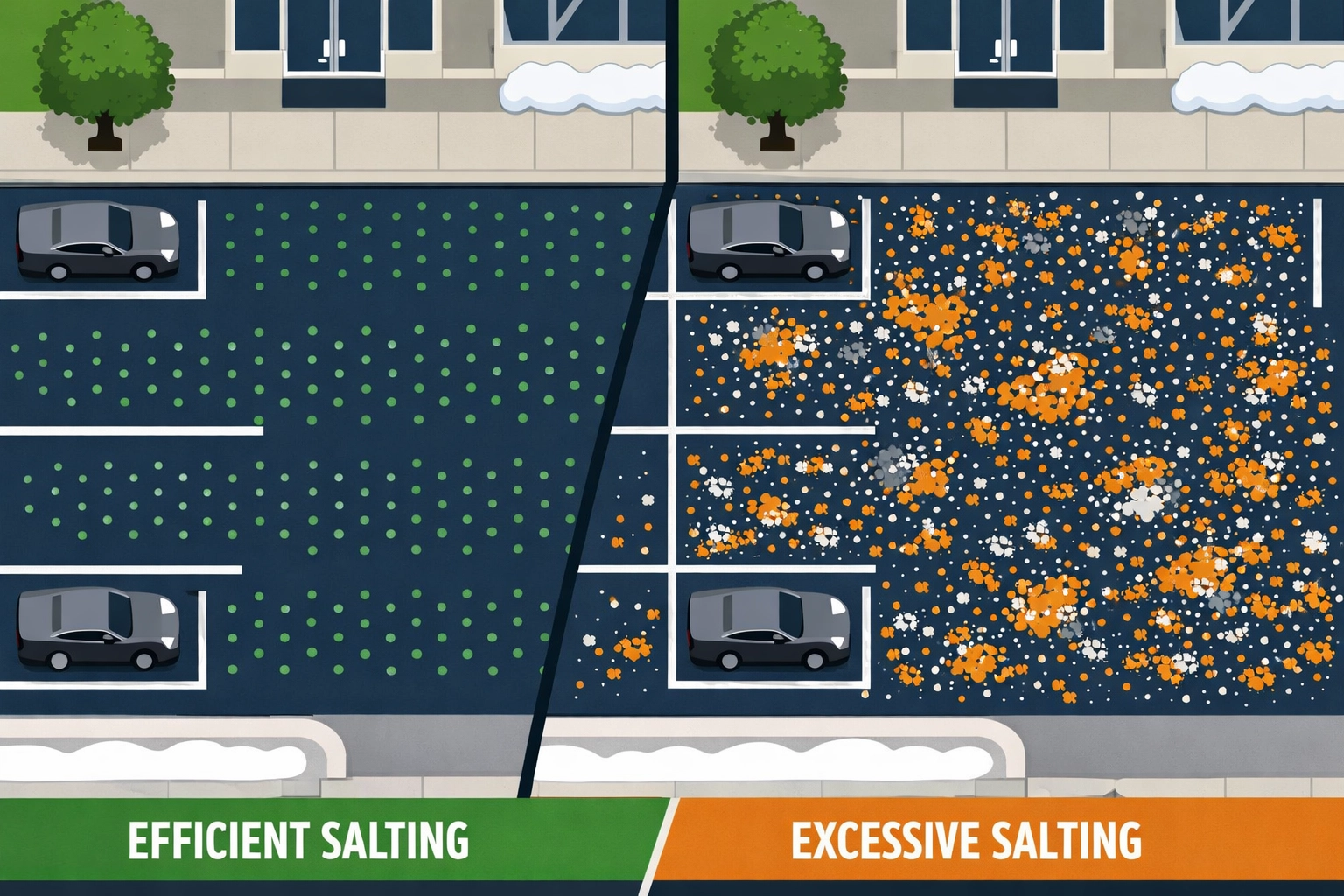
At Paramount Landscaping, our Smart About Salt accreditation means we follow proven protocols that reduce salt usage by up to 40% without compromising safety. We document every application through our cloud-based tracking system, providing you with timestamped records showing exactly when, where, and how much material was applied to your property.
Mistake #2: Choosing Price Over Accountability
The Problem: When budgets tighten, selecting the lowest-bid contractor feels financially responsible. But during a salt shortage, cheap contractors become liability nightmares. How do you prove they showed up? How do you verify they actually salted your property? When a tenant slips in your parking lot at 6 a.m., can you document your due diligence?
The Fix: Partner with contractors who provide real-time accountability. Technology isn't optional anymore: it's your best defense against liability claims. GPS tracking, timestamped service logs, and photographic documentation provide concrete evidence of site visits and material application.
Our GPS-enabled fleet and cloud-based app deliver automatic updates the moment our crews arrive at your property and complete service. You receive detailed reports showing exact arrival times, departure times, and materials used. During a salt shortage, this documentation becomes invaluable for demonstrating reasonable care and proper ice management practices.
Mistake #3: Ignoring Pre-Season Site Assessments
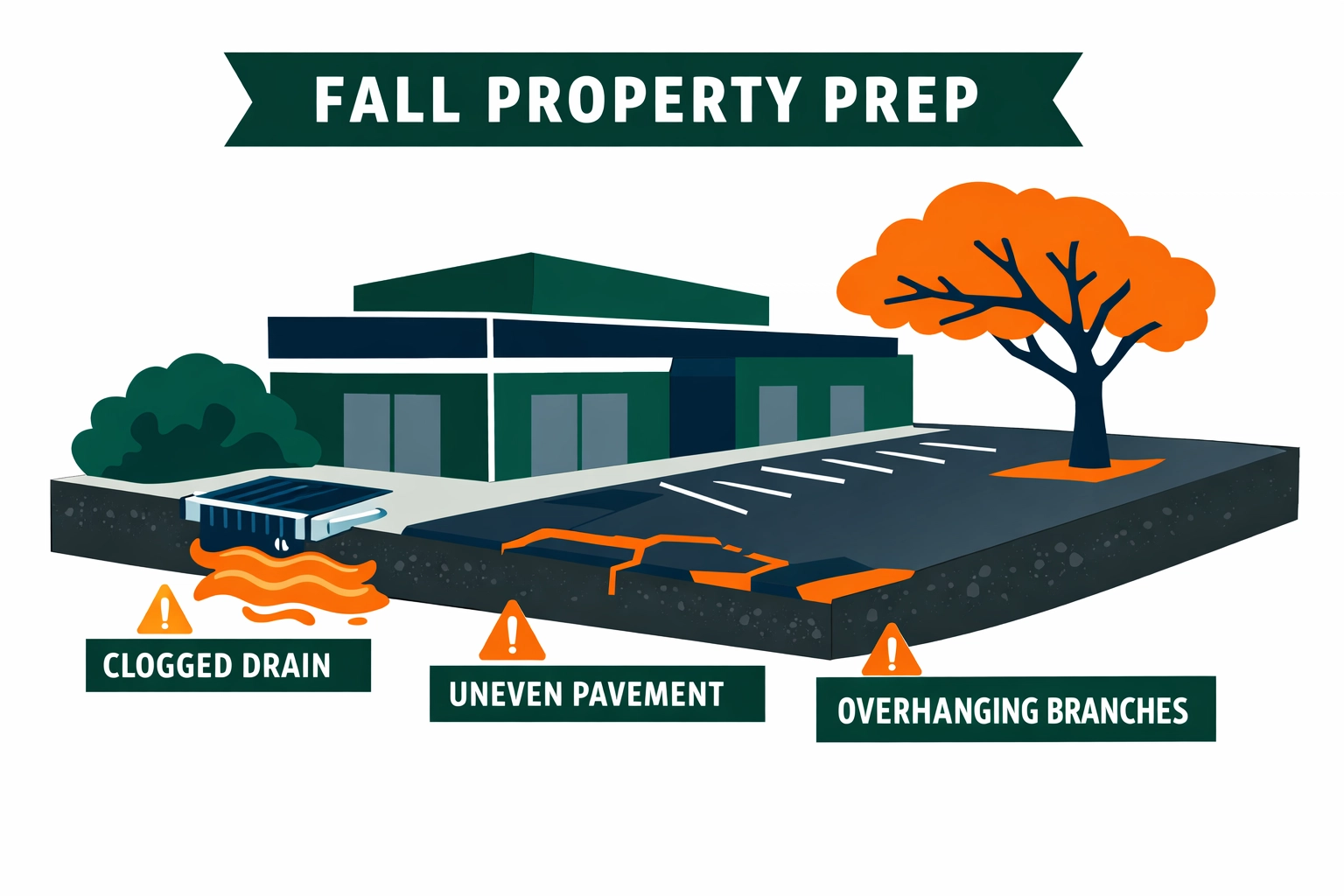
The Problem: Salt shortages amplify every inefficiency in your winter maintenance plan. That poorly graded parking area that always puddles? It'll become a skating rink requiring excessive salt. Those overhanging tree branches that drop snow onto walkways? They'll create continuous re-application needs. Without addressing these issues before winter, you'll waste precious salt resources managing preventable problems.
The Fix: Conduct comprehensive fall site assessments identifying drainage issues, problematic landscaping, and high-risk areas. Strategic improvements now: adding drainage, trimming vegetation, installing windbreaks: reduce your salt dependency all winter.
Professional contractors should walk your property in October, flagging curbs, marking hazards, and documenting problem areas. This preparation enables efficient, targeted salt application rather than blanket coverage that wastes material and money.

Mistake #4: No Backup Plan for Supply Disruptions
The Problem: Your contractor calls mid-season saying they're rationing salt. Suddenly your high-traffic areas aren't getting adequate coverage. Tenants complain about icy conditions. You're caught between a contractor who can't deliver and residents threatening legal action. Without alternatives in place, you're helpless.
The Fix: Establish multi-layered contingency plans before winter arrives. Ask contractors about their salt sourcing, storage capacity, and backup suppliers. Discuss alternative de-icing materials and their appropriate applications. Identify which property areas receive priority treatment during shortage conditions.
Companies with Smart About Salt certification maintain strategic material reserves and utilize alternative de-icing technologies when appropriate. We apply sand and abrasives in lower-risk zones, reserving precious salt for high-liability areas like building entrances and accessibility features. This intelligent resource allocation ensures continuous protection throughout the season.
Mistake #5: Inadequate Communication Systems
The Problem: During winter storms with limited salt supplies, communication breakdowns create dangerous situations. Tenants don't know service schedules. Employees can't reach parking lots safely. Your contractor doesn't notify you about delayed applications or material shortages. The resulting confusion increases liability exposure and tenant dissatisfaction.
The Fix: Implement structured communication protocols covering pre-storm notifications, during-service updates, and post-service confirmations. Your contractor should provide storm alerts, estimated service times, and completion notices for every site visit.
Our cloud-based system automatically sends updates before, during, and after every service visit. Property managers receive real-time notifications when our crews arrive, what services we're performing, and any site-specific concerns observed. During salt shortages, we proactively communicate material availability and adjusted application strategies, ensuring you're never surprised by service modifications.
Mistake #6: Treating All Snow Removal Companies as Equal
The Problem: You assume any contractor with a plow can handle professional snow removal and ice management. During abundant salt seasons, mediocre contractors might scrape by. But when resources become constrained, expertise separates safe properties from liability disasters. Untrained operators waste salt through improper application rates, poor timing, and inefficient spreading techniques.
The Fix: Verify contractor certifications, training programs, and industry accreditations. Smart About Salt certification isn't just marketing: it represents comprehensive training in salt reduction strategies, environmental stewardship, and evidence-based application techniques.
Certified operators understand calibration, spreading patterns, and temperature-based application rates. They know when pre-wetting salt increases effectiveness, when anti-icing prevents bond formation, and when alternative materials provide adequate traction. This expertise dramatically reduces material usage while maintaining superior slip resistance.
Mistake #7: No Documentation Strategy for Liability Protection
The Problem: A slip-and-fall claim arrives six months after a winter storm. Your contractor says they salted that morning. The plaintiff's lawyer questions your records. You have an invoice showing service was provided, but no proof of timing, coverage, or application rates. Without detailed documentation, your defense crumbles.
The Fix: Require comprehensive service documentation including timestamps, GPS coordinates, photographic evidence, and applied material quantities. These records prove you maintained reasonable care standards and followed established safety protocols.
Every property we service receives detailed reports documenting arrival times, weather conditions, ice thickness, salt application rates, and photographic evidence. Our GPS-tracked vehicles provide irrefutable proof of site visits. This documentation has proven invaluable for property managers defending against frivolous claims and demonstrating due diligence.

Moving Forward: Professional Snow Removal During Challenging Times
The 2026 salt shortage demands a fundamental shift in how property managers approach winter maintenance. Success requires selecting contractors who combine advanced accountability systems, proven efficiency certifications, and transparent communication protocols.
Professional property maintenance services aren't luxuries during resource shortages: they're essential risk management tools. The contractors who help you navigate this challenging winter will be those who've invested in training, technology, and smart resource management strategies.
Don't wait until the first major storm exposes weaknesses in your snow removal plan. Review your current contracts, verify contractor capabilities, and establish accountability measures now. Your tenants' safety, your property's accessibility, and your organization's liability exposure depend on the decisions you make today.
Ready to ensure your property stays safe and accessible all winter? Contact Paramount Landscaping to discuss our Smart About Salt certified snow removal and ice management services backed by GPS tracking and real-time accountability systems. Let's build a winter maintenance strategy that protects your property, your budget, and your peace of mind( regardless of supply challenges.)
Gardening.Guru

Home Appraisal

Home Stager

Family Handyman – Indoor Plants

Family Handyman – Bee Friendly
NewHome Source

Martha Stewart – Roses

Family Handyman – Short Flowers

Featured

Construction Business Review
Construction In Focus

Construction Source Magazine

The Spruce – August

Sang Giganten

Martha Stewart

The Spruce

As Featured in Martha Stewart: What It Means for You as a Paramount Client

At Paramount Landscaping, we’ve always believed that the work we do in your yards, properties, and gardens goes far beyond plants and paving stones — it’s about creating outdoor spaces that reflect care, craftsmanship, and character. That’s why we’re proud to share some exciting news: Paramount Landscaping was featured in Martha Stewart’s official article on […]